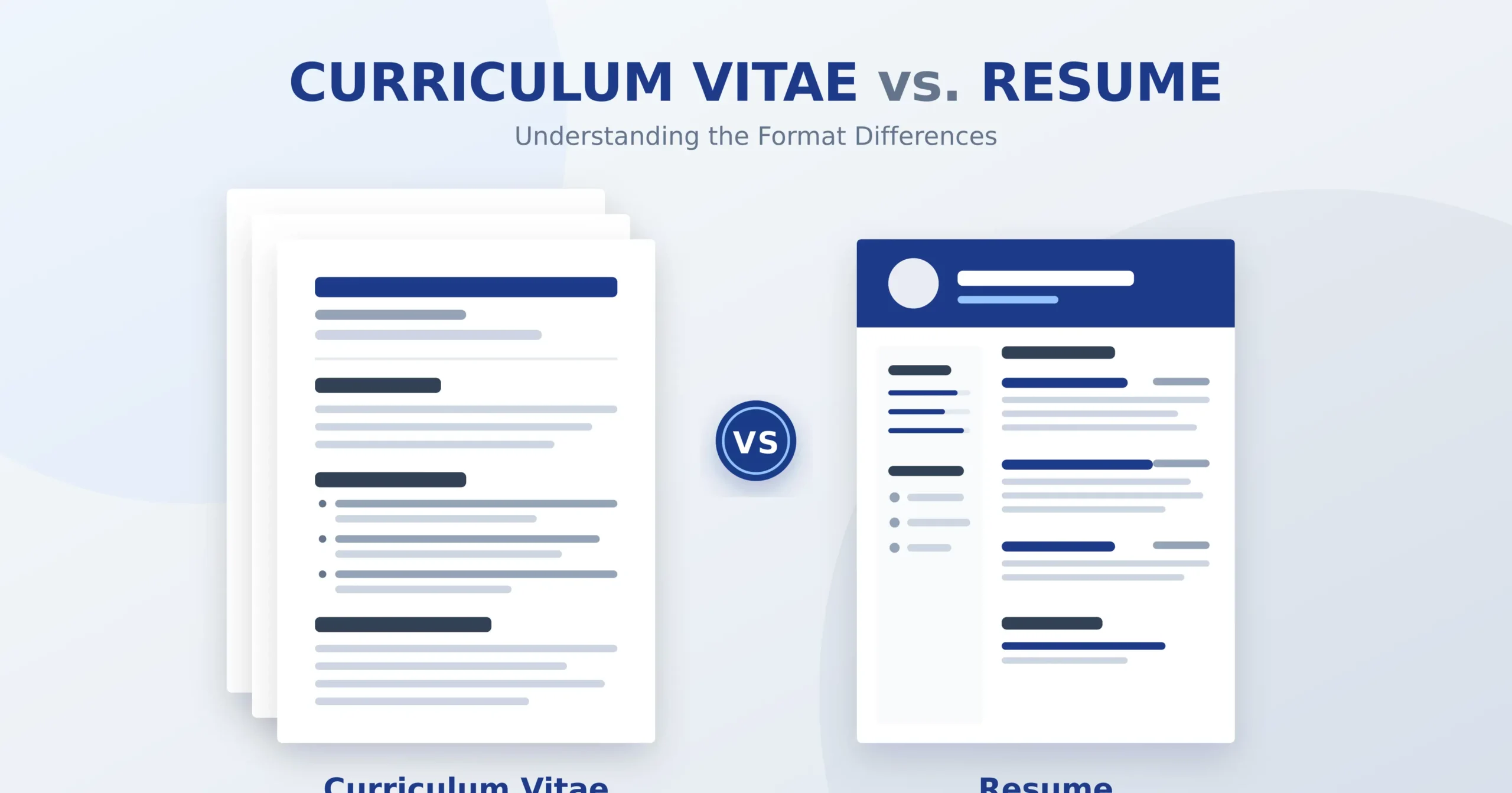

Writing a Curriculum Vitae requires careful attention to format and readability because it represents your first direct interaction with a prospective employer.
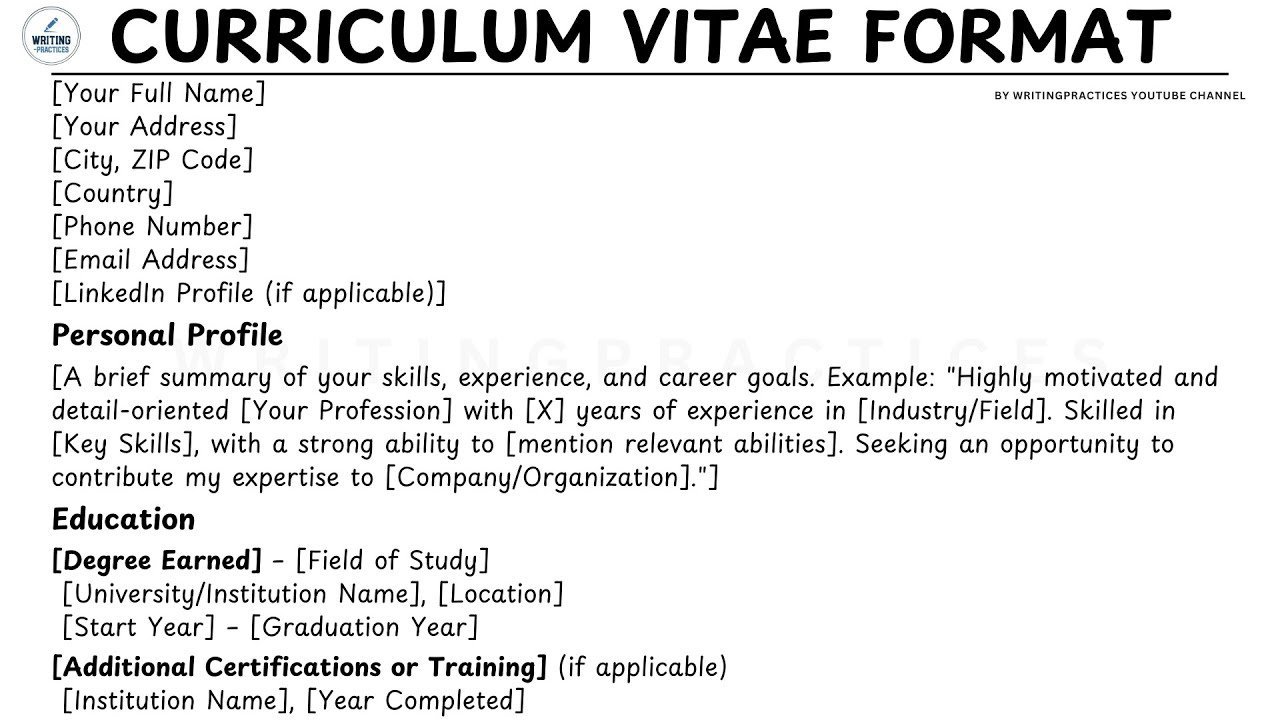
The topmost section of your document must clearly display your full legal name, professional email address, and active telephone number. Recruiters appreciate simple layouts where contact details are easy to locate without excessive visual clutter. Avoid using informal email handles, as professional addresses containing your standard name build immediate credibility.
Key Learning Outcomes
- Formatting personal contact details accurately while maintaining privacy and professionalism.
- Structuring work experience around quantifiable achievements and reverse-chronological order.
- Highlighting educational qualifications, technical skills, and professional certifications effectively.
Physical address details should remain general rather than overly specific to protect personal privacy on open job boards. Stating your city, state, or region provides sufficient context for recruiters checking location suitability for open roles.
Unnecessary personal data such as religious affiliation or marital status should be excluded unless explicitly demanded by a specific regulatory body. Candidates preparing applications for overseas academic opportunities often need to calculate international financial requirements alongside their personal documentation, such as understanding How to Calculate Your Canadian Proof of Funds (POF) in Naira during study visa processing.
Crafting an Engaging Personal Profile Summary
Positioned directly below your contact details, the personal profile serves as a brief summary outlining your background and primary professional strengths. This short text block usually spans two to three well-constructed sentences designed to catch the reader’s attention quickly.
A strong summary describes your core field of expertise, key competencies, and practical contribution to previous organization environments. Highlighting relevant technical skills in this section helps hiring managers quickly understand your candidate profile.
Candidates should tailor this personal summary to reflect the specific requirements listed in the job advert. Generic statements about soft skills carry far less weight than direct mentions of specialized tools or industry knowledge.
For instance, mentioning specific accounting principles or project management frameworks provides clear proof of professional capability. Maintaining an active, professional tone ensures your summary creates a positive impression before the recruiter examines your complete employment history.
Highlighting Professional Work History and Measurable Achievements
The work experience section forms the core foundation of your job application and must follow a reverse-chronological order. Listing your most recent position first allows potential employers to evaluate your current skillset and professional status immediately. Each entry should clearly outline the employer’s name, your exact job title, and the official dates of employment. Providing a brief description of the company context helps recruiters understand the environment in which you performed your duties.
Listing bullet points focused on quantifiable achievements is far more effective than simply repeating basic job descriptions. Employers prefer to see measurable outcomes such as percentage revenue growth, cost reductions, or regional expansion metrics. Stating that you increased monthly sales performance with a team provides clear evidence of practical competency. Including notable honors, such as employee performance awards, further reinforces your candidate standing.
Early-career professionals, recent graduates, or national service participants can also list internships, volunteer engagements, and project placements. Detailing specific job functions during temporary assignments demonstrates consistent productivity and continuous skill development. Every work entry should maintain a professional tone focused on practical output and valuable contributions. This organized presentation reassures recruiters that you possess the practical knowledge required for the role.
Documenting Academic Qualifications and Technical Skills
Academic achievements must be detailed clearly, placing your highest level of completed education at the top of the list. Include the formal name of the academic institution, the degree or diploma earned, and the corresponding year of completion. Specialized academic projects or relevant coursework can be mentioned if they directly relate to the targeted employment sector. Students seeking higher qualifications abroad often manage educational documentation while handling financial transfers, such as using Form A Tuition Payments: Official Dollar to Naira CBN Rate Today for official university billing.
Additional training, technical certifications, and specialized software proficiency should be categorized under dedicated subheadings for clarity. Possessing recognized professional certifications often sets candidates apart during competitive applicant screening processes. Clearly grouping hard skills, language abilities, and technical software tools enables automated applicant systems to process your profile efficiently. Validating your skills with formal certifications demonstrates a commitment to ongoing professional development.
The final sections of your document can include references or note that professional references are available upon request. Maintaining accurate contact information for former supervisors ensures smooth background checks when potential employers request verification. Reviewing the complete document multiple times eliminates spelling errors, formatting inconsistencies, and grammatical oversights. A polished document builds confidence and significantly increases your chances of securing job interviews.