
When you think about studying abroad, Germany often pops up as a top choice. The country mixes low tuition fees, high‑quality education, and a strong economy. But the decision isn’t just about numbers. Students also weigh language, culture, and future job chances. This article breaks down the main reasons why students still pick Germany, the hurdles they face, and what both the students and the country gain from this exchange.
Key Learning Outcomes
- Germany offers affordable tuition and strong support for foreign students.
- Language and cultural integration are key challenges but can be managed with resources.
- Graduates benefit from a growing job market, while Germany gains skilled talent.
Affordable Education and Funding Options
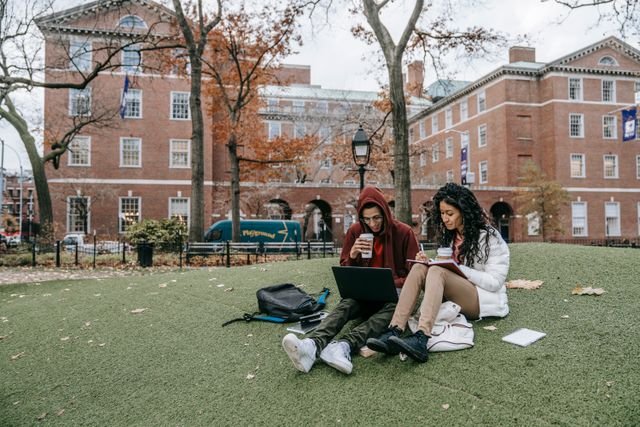
One of the biggest draws is cost. Public universities in Germany charge little or no tuition for undergraduate programs, even for non‑EU students. This makes a German degree far cheaper than many other Western options. However, students still need to cover living expenses, which can be higher in big cities like Munich or Frankfurt.
To help with these costs, Germany requires a blocked account. This is a special bank account where students deposit a set amount of money (about €10,332 for a year). The money is then released in monthly installments to prove the student can support themselves. The process can seem confusing, but many universities provide step‑by‑step guides. For a deeper look at how blocked accounts work, see the article Funding Your European Studies.
Scholarships and Part‑Time Work
Beyond the blocked account, there are scholarships from the German Academic Exchange Service (DAAD) and other foundations. Many students also take part‑time jobs. International students can work up to 120 full days or 240 half days per year, which helps cover rent and food. The combination of low tuition, scholarships, and work opportunities keeps the overall cost manageable.
Choosing the Right University from Abroad
Germany has more than 400 higher‑education institutions, each with its own strengths. Some focus on engineering, others on arts or social sciences. Prospective students often start by checking university rankings, program language (English or German), and city life.
Online portals and virtual campus tours make it easier to compare options without traveling first. When you read about other students’ experiences, you’ll notice many mention the importance of checking whether a program is taught in English, especially if they plan to learn German later. For inspiration on how to pick a program, the guide Study Abroad Dreams vs Reality offers practical tips.
Language: A Barrier and a Bridge
German is the official language of most courses, but many universities now offer entire programs in English, especially at the master’s level. Still, learning German is highly recommended. It opens doors to part‑time jobs, social life, and integration into the community.
Universities often provide language courses for free or at a low cost. Some cities also host “Sprachtandems,” where a German speaker pairs with a learner to practice conversation. While the language barrier can feel intimidating at first, most students find that regular practice quickly turns it into a strength.
Living in Germany: Costs and Culture
Living expenses vary by city. Munich and Hamburg are among the most expensive, while Leipzig and Dresden are more affordable. Rent typically takes up the biggest share of a student’s budget. Shared apartments (Wohngemeinschaften or WGs) are popular and help lower costs.
Beyond money, cultural adjustment is part of the experience. Germans value punctuality, direct communication, and a clear separation between work and personal time. Understanding these norms helps students feel more at home. Making friends can start with student clubs, sports teams, or international meet‑ups organized by the university’s International Office.
The Job Market for Graduates
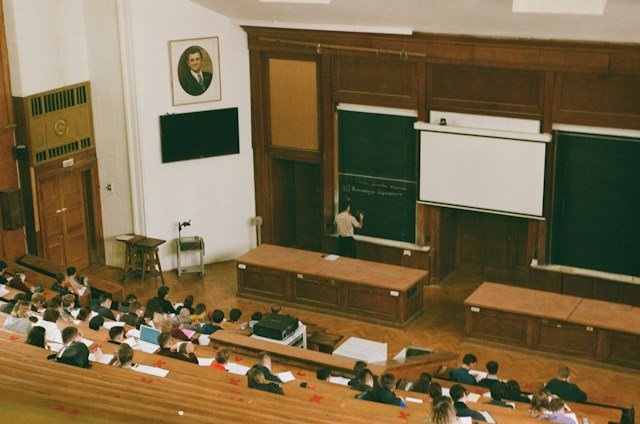
Germany’s economy is strong, especially in engineering, IT, and renewable energy. After graduation, students can apply for an 18‑month job‑search visa, giving them time to find work related to their field of study.
Many graduates secure positions in multinational companies, research institutes, or startups. The demand for skilled workers means that German employers often value international perspectives. However, some graduates choose to return home, especially if they have strong family ties or better career prospects abroad.
Why Some Graduates Leave
Reasons for leaving include language challenges, difficulty finding a job that matches their qualifications, or personal preferences for living in a different climate or culture. The decision is personal, and both staying and leaving can be positive outcomes depending on individual goals.
How Germany Benefits from International Students
International students bring fresh ideas, cultural diversity, and future talent to the German workforce. They also help fill skill gaps in sectors where Germany faces shortages, such as engineering and healthcare. Moreover, many students become long‑term residents, contributing to the economy through taxes and entrepreneurship.
Conclusion: A Win‑Win Situation
Choosing Germany for higher education offers a mix of affordable tuition, quality teaching, and a supportive environment for learning German and building a career. While challenges like language and housing exist, the resources available make them manageable. For students, the experience can open doors to a global network and a promising future. For Germany, welcoming international students strengthens its position as a leading education hub and fuels its economic growth.